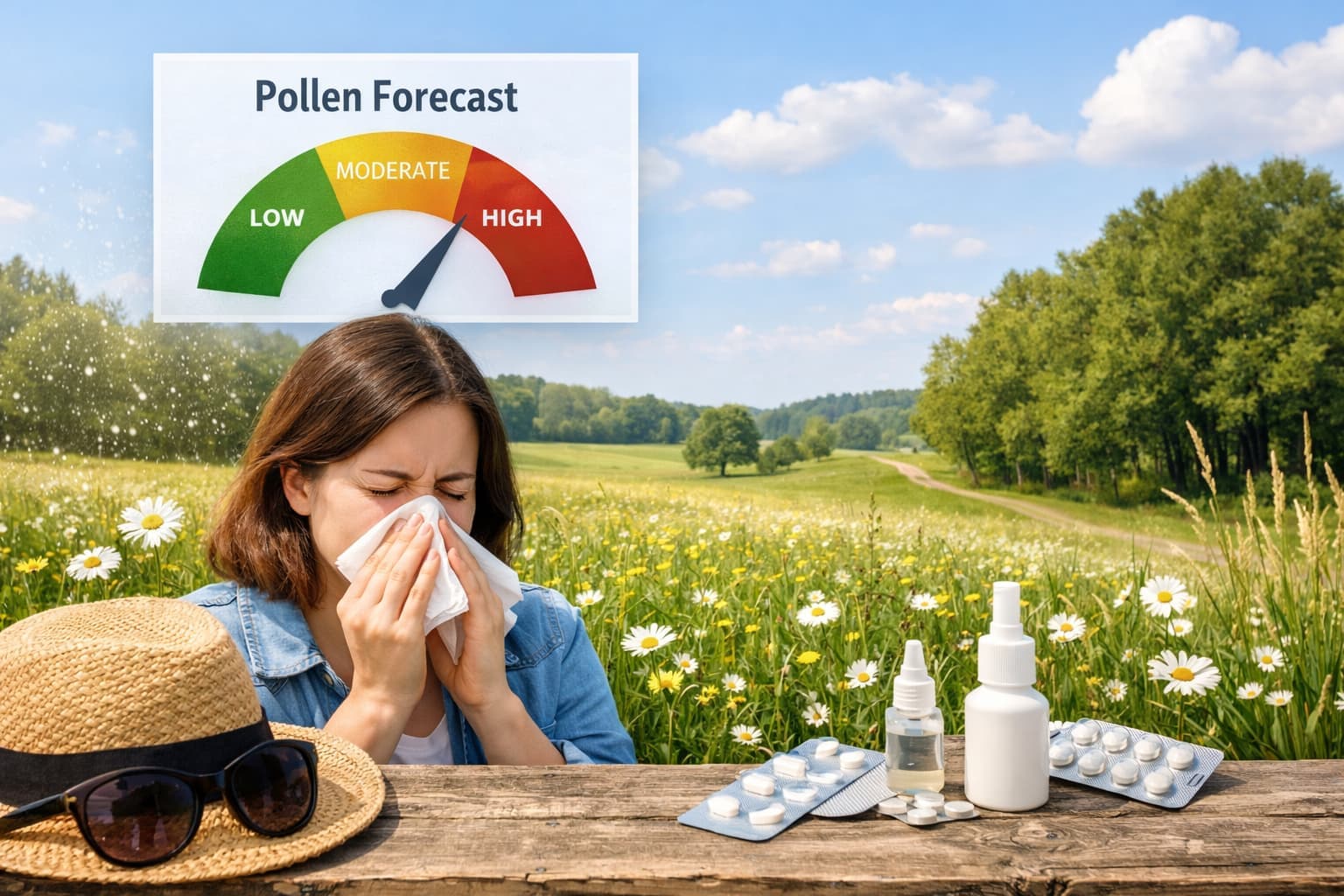
How to Survive Hay Fever Season (UK Guide)

How to Survive Hay Fever Season (UK Guide)

For millions of people across the UK, hay fever season means weeks — sometimes months — of sneezing, itchy eyes, poor sleep, and frustrating brain fog. It can affect your concentration at work, make driving uncomfortable, and take the enjoyment out of outdoor exercise. If you are wondering how to survive hay fever season without spending the entire summer indoors, this guide is for you.

Below, you will find practical steps to reduce pollen exposure, an honest look at over-the-counter options that may help, and clear guidance on when to seek urgent medical advice. The aim is a realistic hay fever survival plan — not miracle promises, but measures that can genuinely make the season more manageable.

Medical disclaimer: This article provides general health information only. It is not a substitute for personalised medical advice and does not constitute a diagnosis. If symptoms are severe or you are unsure what is causing them, please speak to a pharmacist or qualified healthcare professional.

Hay Fever vs a Cold: Why Symptoms Happen

Hay fever — known medically as allergic rhinitis — is an immune response to airborne pollen. When pollen particles land on the lining of your nose, eyes, or throat, your immune system can react by releasing histamine and other chemicals. This triggers inflammation, which produces the familiar symptoms. Unlike a cold, hay fever is not caused by a virus and is not contagious.

Common symptoms include:

  • Repeated sneezing and a runny or blocked nose
  • Itchy, watery, or red eyes
  • An itchy throat, mouth, or ears
  • Tiredness and difficulty concentrating, especially when sleep is disrupted

Quick pointer: If your symptoms last for several weeks, worsen on dry and windy days, and seem to track pollen forecasts, they are more likely to be hay fever than a common cold. Colds usually resolve within 7–10 days and often include body aches or a mild fever, which hay fever typically does not.

When Is Hay Fever Season in the UK? (Tree vs Grass vs Weed)

The three main pollen windows

The UK hay fever season is not a single event — it unfolds in overlapping waves depending on which type of pollen is in the air. Understanding when each pollen type peaks can help you prepare and time your treatment more effectively.

  • Tree pollen (spring): Birch, oak, ash, and plane tree pollen typically peak between late February and May. Tree pollen is often the earliest trigger of the year and can catch people off guard.
  • Grass pollen (late spring and summer): This is the most common trigger in the UK and usually peaks from May through July. Grass pollen affects the largest number of hay fever sufferers.
  • Weed pollen (summer to early autumn): Nettles, dock, and mugwort release pollen later in the season, typically from June into September. This can extend the season for people who are sensitised to multiple pollen types.

Why timing matters

If you know from experience that your symptoms tend to start at a particular time each year, beginning treatment before that window opens — sometimes called a pre-season approach — can help prevent symptoms from becoming established. For some people, the hay fever season in the UK can stretch from early spring right through to autumn, which makes a proactive routine especially important.

Build a Pollen-Smart Routine (Daily, Not Just When You're Sneezing)

One of the best hay fever tips is to treat pollen management as a daily habit rather than something you only think about when symptoms flare. Consistency can make a real difference to how much pollen enters your system throughout the day.

Check the forecast the right way

UK pollen forecasts — such as those from the Met Office — provide daily pollen count predictions by region. Checking the forecast each morning takes a few seconds and allows you to plan your day accordingly. On high pollen count days, small adjustments to your routine can significantly reduce your overall exposure.

Best times to reduce exposure (practical planning)

Pollen counts tend to be highest in the early morning and again in the late afternoon and evening. If you can, schedule outdoor activities — dog walks, runs, gardening — for lower-count windows. On days when the pollen count forecast is very high, consider adjusting outdoor plans where practical: moving exercise indoors, postponing lawn mowing, or drying laundry inside.

Best steps on high pollen days

Check the pollen forecast before going out. Adjust outdoor timing where possible. Wear wraparound sunglasses. Shower and change clothes when you come back inside. Keep windows closed during peak hours.

The 60-second reset after being outside

Pollen clings to your hair, skin, and clothing throughout the day. A quick reset when you get home can stop pollen from spreading indoors — particularly to your pillow and bedding, where it can disrupt sleep. Change your outer clothes, wash your hands and face, and rinse your eyes with clean water or a saline solution. If you have been outside for a prolonged period, a full shower and hair wash is worth the effort.

What Actually Helps Hay Fever Symptoms? (Evidence-Led Options)

There is no single medicine that suits everyone, and what works well for one person may be less effective for another. The options below are commonly used in the UK and are available over the counter from pharmacies. None are guaranteed to eliminate symptoms entirely, but used correctly and consistently, they can often make a meaningful difference.

For sneezing, itching, and a runny nose

Non-drowsy antihistamine tablets are one of the most commonly used hay fever treatments. They work by blocking histamine receptors, which can help reduce sneezing, itching, and a runny nose. They are generally well tolerated, but individual response varies — some people find one type more effective than another. Older-generation antihistamines can cause drowsiness, which may affect driving and concentration, so non-drowsy options are usually preferred for daytime use.

For blocked nose and congestion (where many people get stuck)

A hay fever blocked nose is one of the most frustrating symptoms because antihistamines alone often do not resolve it fully. Corticosteroid nasal sprays are commonly recommended for nasal congestion and work by reducing inflammation inside the nose. They are available over the counter but often need consistent daily use over several days before their full effect builds up — do not expect instant results and do not stop too early.

Blocked nose vs runny nose: what helps

Runny nose / sneezing / itch: Non-drowsy antihistamines are often the first option tried.
Blocked / congested nose: A corticosteroid nasal spray, used daily and consistently, is often more effective than antihistamines alone for congestion.

For itchy or watery eyes

Antihistamine eye drops can provide targeted relief for itchy, watery eyes. They work directly where the symptoms occur and can be used alongside oral antihistamines if needed. If you are unsure which type is suitable for you, ask a pharmacist — they can advise on options and check for any interactions with other products you may be using.

Saline rinses and saltwater sprays (simple adjunct)

Saline nasal sprays and rinses help by physically washing pollen from the nasal passages and soothing irritated tissues. They carry minimal risk and can be used alongside other treatments. Some people find that rinsing the nose with saline before using a corticosteroid spray helps the medication reach the nasal lining more effectively. Use as directed on the product packaging.

A quick safety note on decongestant sprays

Decongestant nasal sprays can provide fast, short-term relief from severe nasal blockage. However, they are not suitable for regular or prolonged use. Using them for more than a few days can lead to rebound congestion — where the nose becomes more blocked when the spray wears off. Always follow the product information leaflet and speak to a pharmacist if you are unsure about duration of use.

When to speak to a pharmacist

A pharmacist is an excellent first point of contact for hay fever advice. They can help with:

  • Choosing an appropriate antihistamine if it is your first time
  • Checking whether a particular product may cause drowsiness
  • Advising on suitability for children or during pregnancy and breastfeeding
  • Reviewing potential interactions with other medicines you are taking
  • Suggesting alternative options if your current approach is not helping

Make Your Home a Low-Pollen Zone (Without Overdoing It)

You cannot eliminate pollen from your home entirely, but a few consistent habits can reduce how much accumulates indoors. The goal is not perfection — it is reducing exposure enough to give your body (and your medicines) a better chance of keeping symptoms manageable.

Do more of this:

  • Keep windows and doors closed when the pollen count is high; ventilate early in the morning or late in the evening when counts tend to be lower
  • Vacuum and dust regularly using a damp cloth — dry dusting can stir particles back into the air
  • Dry clothes and bedding indoors on high pollen days rather than hanging them outside where pollen will settle on the fabric
  • If you use an air purifier, look for one with a HEPA filter. These can help trap fine particles including pollen, although they are not a substitute for other measures and results can vary depending on room size and use

In the car

Keep car windows closed during pollen season and use the recirculated air setting rather than drawing in outside air. Most modern cars have a cabin pollen filter — check your vehicle manual for replacement intervals. A clogged filter reduces its effectiveness, so replacing it before the season starts can be worthwhile.

How to Go Outside in Hay Fever Season (Smarter, Not Miserable)

Avoiding the outdoors entirely is neither practical nor enjoyable. The aim is to reduce pollen exposure rather than eliminate outdoor time altogether. A few small adjustments can make outdoor activities more comfortable during the hay fever season in the UK.

  • Wear wraparound sunglasses to create a physical barrier between pollen and your eyes. A wide-brimmed hat can also help keep pollen out of your hair
  • Avoid mowing, strimming, or raking grass if you can — these activities throw large amounts of pollen and grass particles into the air. If you need to do garden work, consider doing it on lower pollen count days or delegating to someone else
  • Stick to the 60-second reset when you come back indoors: change clothes, wash your face, and rinse your eyes. If you have been outside for a long stretch, shower and wash your hair before settling down for the evening

Hay Fever in Children, Pregnancy, and People with Other Conditions

Children

Hay fever is common in children and can affect their concentration at school, their enjoyment of play, and their sleep quality. Many over-the-counter antihistamines and nasal sprays are available in child-friendly formulations, but it is essential to check the age guidance on the packaging. A pharmacist can advise on which products are appropriate for your child's age and help you choose a suitable option.

Pregnancy and breastfeeding

Not all hay fever medicines are considered suitable during pregnancy or while breastfeeding. Before taking any treatment — including products you may have used safely before — check suitability with a pharmacist, midwife, or qualified clinician. Non-medicine measures such as pollen avoidance, saline rinses, and wearing sunglasses remain helpful and carry no medication-related concerns.

If you have asthma or breathing problems

Hay fever and asthma are closely linked. Allergic rhinitis can worsen airway inflammation, leading to increased coughing, wheezing, and breathlessness during pollen season. If you have an asthma action plan, make sure it is up to date before the season begins, and continue using your preventer inhaler as directed.

If you notice that your breathing symptoms are worsening — more frequent inhaler use, night-time cough, or chest tightness — seek a timely clinical review. Do not wait for symptoms to become severe. If you experience significant breathlessness, wheeze that does not settle, or difficulty speaking in full sentences, seek urgent medical help immediately.

When to Seek Medical Advice Urgently

Most hay fever symptoms are uncomfortable but manageable with self-care and over-the-counter treatments. However, certain symptoms require prompt attention. Seek urgent medical advice — call 999 or attend A&E — if you experience:

  • Wheeze, chest tightness, or shortness of breath that is not settling or is getting worse
  • Swelling of the lips, tongue, face, or throat — particularly if it comes on rapidly
  • Feeling faint, dizzy, or experiencing a rapid heartbeat alongside other symptoms

You should also seek a clinical review (via your GP, NHS 111, or a pharmacist as appropriate) if:

  • Symptoms are not improving despite consistent and appropriate self-care over several weeks
  • You develop persistent facial pain, fever, or worsening pressure symptoms that may suggest something other than straightforward hay fever
  • Symptoms are significantly affecting your sleep, work, or daily functioning

Should You Consider an Allergy Blood Test for Hay Fever?

What a blood test can and can't tell you

An allergy blood test measures allergen-specific IgE antibodies in your blood. A raised level for a particular allergen — such as grass pollen or birch pollen — indicates that your immune system has produced a response to that substance. This is known as sensitisation. It can be a useful piece of information, but it is important to understand the limitations: sensitisation does not always equate to clinical allergy, and results are most meaningful when interpreted alongside your symptom history and exposure patterns.

Who may benefit

Testing may be worth considering if your symptoms recur every year but you are unsure exactly what is triggering them, if your symptoms do not fit a clear seasonal pattern (which could suggest perennial allergens such as dust mites or pet dander), or if you have mixed symptoms and want a clearer picture of your sensitisation profile. It can also be helpful if you are planning to discuss management options with a qualified healthcare professional and want structured information to bring to that conversation.

Your clinic's pathway (nurse-led)

Our service provides nurse-led allergy blood testing. A trained clinical professional collects a venous blood sample (phlebotomy) during a short appointment. The sample is sent to a UK-based accredited laboratory for specific IgE analysis. Results are delivered to you securely, usually within several working days.

The service does not include medical consultation or diagnosis. We recommend discussing your results with a registered healthcare professional who can interpret them in the context of your clinical history.

If you would like structured clarity on what may be triggering your symptoms, you can explore the IgE allergy testing options available through our service.

Hay Fever Season FAQs

When does hay fever season start in the UK?

Tree pollen can begin as early as late February, with birch pollen typically peaking in spring. Grass pollen — the most common trigger — usually peaks from May through July. Weed pollen can extend the season into September. If you are sensitised to multiple pollen types, symptoms may span several months.

Why is hay fever worse some days than others?

Pollen counts vary daily depending on weather conditions. Warm, dry, windy days tend to produce higher counts, while rain can temporarily wash pollen from the air. Checking a UK pollen count forecast each morning can help you plan your day and adjust exposure accordingly.

Do antihistamines help a blocked nose?

Antihistamines can help with sneezing, itching, and a runny nose, but they are often less effective for significant nasal blockage. If congestion is your main symptom, a corticosteroid nasal spray — used consistently — may be more effective. A pharmacist can advise on combining treatments if needed.

How long do steroid nasal sprays take to work?

Corticosteroid nasal sprays often need several days of consistent daily use to reach their full effect. Some people notice improvement within a day or two, but for others it may take up to two weeks. The key is to use them every day as directed, not only when symptoms flare.

Can hay fever make you tired?

Yes, tiredness is a commonly reported symptom during hay fever season. It may be related to nasal congestion disrupting sleep, the body's inflammatory response to pollen, or the drowsiness side effects of certain older antihistamines. Using a non-drowsy option and managing congestion may help.

Is it hay fever or a cold?

Hay fever typically involves itchy eyes, nose, and throat — itching is less common with colds. Colds usually resolve within 7–10 days and may include body aches and a mild fever. Hay fever can persist for weeks and tends to track pollen levels. If you are unsure, speak to a pharmacist.

Should I change clothes after being outside?

It can help. Pollen settles on clothing and can be transferred to furniture and bedding when you sit or lie down indoors. Changing outer clothes when you come inside — and keeping outdoor clothing out of the bedroom — may reduce your overnight pollen exposure.

What if pollen triggers my asthma symptoms?

If you have asthma, pollen exposure can worsen breathing symptoms. Keep your preventer inhaler up to date and ensure your asthma action plan is current. If you notice increasing wheeze, cough, or breathlessness during pollen season, seek a timely clinical review rather than waiting for symptoms to escalate.

Your 7-Day Hay Fever Survival Plan (Recap)

Hay fever survival checklist

  • ☐ Check pollen forecast daily
  • ☐ Reduce exposure (clothes, hair, bedding)
  • ☐ Match treatment to symptoms (nose vs eyes vs congestion)
  • ☐ Speak to a pharmacist for personalised OTC guidance
  • ☐ Seek urgent help for breathing issues
  • ☐ Consider testing if triggers are unclear or symptoms recur yearly

Surviving hay fever season is not about finding a single miracle fix — it is about layering sensible habits together: reducing how much pollen reaches you, choosing the right treatment for your dominant symptoms, using nasal sprays with correct technique, and knowing when to step up or seek help.

If symptoms recur each year or triggers are unclear, allergy testing may help clarify what you react to. Our nurse-led service offers blood sampling for laboratory testing, which can support informed conversations with a qualified healthcare professional.

References

  1. NHS — "Hay fever" (NHS patient information page)
  2. NHS — "Allergic rhinitis" (NHS Health A to Z)
  3. NICE Clinical Knowledge Summaries — "Allergic rhinitis: management"
  4. Allergy UK — "Hay fever & allergic rhinitis" (patient guide)
  5. BSACI — "Nasal spray technique" (patient guidance PDF)
  6. Met Office — "Pollen forecast" (UK pollen count information)
  7. Asthma + Lung UK — "Hay fever and asthma" (patient information)