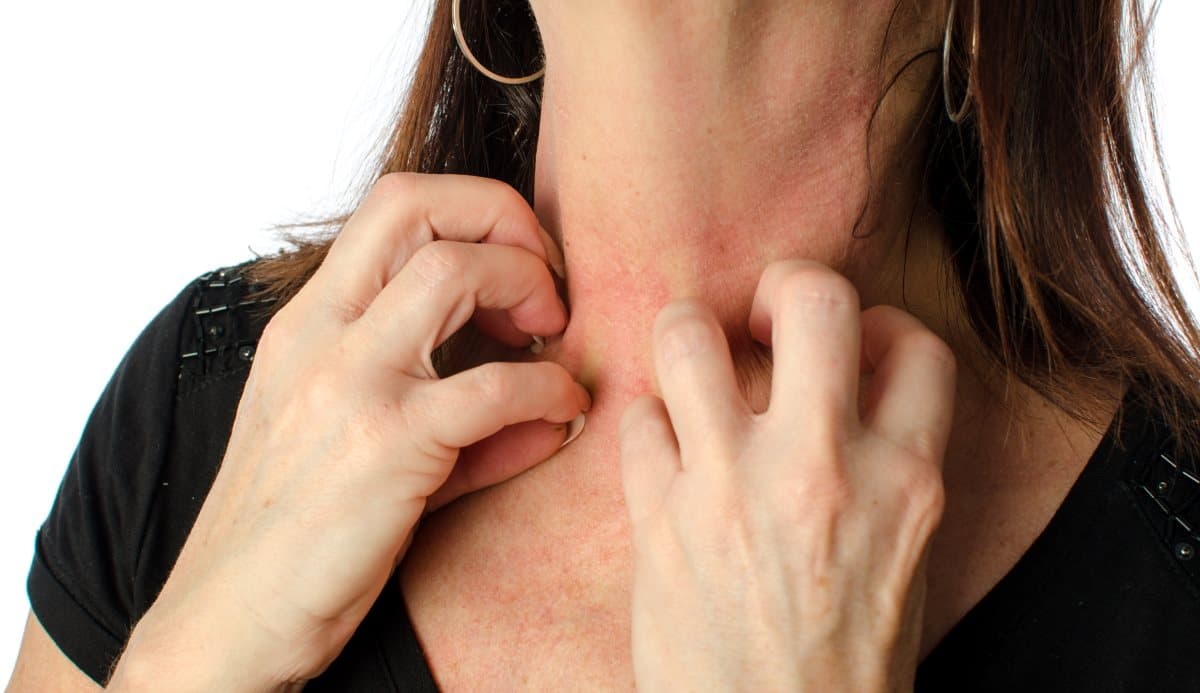
Contact Dermatitis in Healthcare Personnel: Differentiating Hand Eczema from True Latex Hypersensitivity
Understanding Contact Dermatitis in Healthcare Workers
Contact dermatitis in healthcare personnel is one of the most frequently reported occupational skin conditions across UK clinical settings. For nurses, healthcare assistants, and allied health professionals who wear gloves repeatedly throughout their working day, distinguishing between irritant contact dermatitis (commonly presenting as hand eczema) and a true latex hypersensitivity reaction is not simply a clinical curiosity — it can have significant implications for occupational health, workplace safety, and long-term wellbeing.
This educational guide explores the key differences, common presentations, and the role that allergy testing may play in helping healthcare workers gain clarity about their skin condition.
What Is Contact Dermatitis? A Snippet-Optimised Definition
Contact dermatitis is an inflammatory skin reaction triggered by direct contact with an irritating or sensitising substance. In healthcare settings, it most commonly affects the hands and presents as redness, dryness, scaling, or blistering. There are two primary types: irritant contact dermatitis (ICD) and allergic contact dermatitis (ACD).
| Feature | Irritant Contact Dermatitis (ICD) | Allergic Contact Dermatitis (ACD) | Latex Hypersensitivity (IgE-Mediated) |
|---|---|---|---|
| Mechanism | Physical/chemical skin barrier damage | Delayed immune response (Type IV) | Immediate immune response (Type I) |
| Onset | Gradual, hours to days | 12–72 hours after exposure | Minutes to 1 hour after exposure |
| Common triggers | Soap, alcohol gel, glove friction | Rubber accelerators, preservatives | Natural rubber latex proteins |
| Skin symptoms | Dryness, scaling, cracking | Blistering, oozing, redness | Urticaria, swelling, redness |
| Systemic symptoms | Rare | Rare | Possible (anaphylaxis in severe cases) |
| Confirmed by | Clinical history | Patch testing | Specific IgE blood test or skin prick test |
| Who is affected | Very common in HCWs | Less common | Estimated 5–17% of HCWs |
Practical Insight: Many healthcare workers assume their skin reaction is "just eczema" without exploring whether an underlying immune mechanism may be involved. Accurate differentiation can meaningfully change how the condition is managed day to day.
Hand Eczema vs Latex Allergy: Why Getting It Right Matters
Irritant Contact Dermatitis — The Most Common Culprit
Irritant contact dermatitis accounts for the majority of occupational hand eczema in UK healthcare settings. It is not an allergic response but rather a cumulative breakdown of the skin's natural barrier. Repeated hand washing, use of alcohol-based hand sanitisers, donning and doffing gloves many times per shift, and exposure to bodily fluids all contribute to this mechanical and chemical wear.
The skin may appear:
- Dry, rough, or thickened
- Cracked around the knuckles and fingertips
- Mildly red or inflamed after periods of exposure
- Itchy, particularly in cold or dry environments
Importantly, ICD tends to improve with skin barrier protection and when exposure to irritants is reduced. It does not involve the immune system in a classic sensitisation pattern, which is a key distinguishing factor.
Allergic Contact Dermatitis — A Sensitised Immune Response
Allergic contact dermatitis (ACD) involves a Type IV delayed hypersensitivity reaction. In glove-related ACD, the culprits are frequently rubber chemical accelerators — such as thiurams, carbamates, and mercaptobenzothiazole — used during the manufacturing of latex and synthetic gloves.
ACD typically presents:
- 24–72 hours after exposure
- With weeping, vesicular (blister-like), or intensely inflamed skin
- On the dorsum of the hands and between the fingers
- As a rash that does not always correspond precisely to the glove contact area
ACD is confirmed via patch testing, which is a specialist procedure carried out in dermatology or allergy settings. If you suspect this pattern, seeking appropriate assessment through an allergy clinic is a sensible step.
True Latex Hypersensitivity — An Immediate, IgE-Mediated Response
True latex allergy (Type I hypersensitivity) involves the production of IgE antibodies against natural rubber latex proteins. This is a systemic immune response that can present rapidly — often within minutes of glove contact.
Symptoms may include:
- Localised: Urticaria (hives), itching, or swelling at the contact site
- Generalised: Rhinitis, conjunctivitis, asthma-like symptoms
- Severe cases: Anaphylaxis — which represents a medical emergency requiring urgent care
Practical Insight: If a healthcare worker experiences systemic symptoms — particularly breathing difficulty, widespread urticaria, or collapse — following glove use, this should be treated as a medical emergency. Please call 999 or attend A&E immediately.
Who Should Consider Allergy Testing?
Healthcare workers who may benefit from structured allergy testing include those who:
- Experience persistent or worsening hand skin symptoms despite standard skincare measures
- Notice symptoms that extend beyond the hands (nasal, eye, or respiratory symptoms) when wearing gloves
- Have a personal or family history of atopy (asthma, hay fever, eczema)
- Have previously reacted to latex-containing medical equipment (balloons, elastic, certain medical devices)
- Work in high-exposure environments such as operating theatres, intensive care, or emergency departments
A specific IgE blood test for latex (Hevea brasiliensis) can indicate whether the immune system has produced sensitising antibodies. This is a straightforward blood test that can provide meaningful information — though results should always be considered alongside a full clinical history by an appropriate healthcare professional.
At the Allergy Clinic, our nurse-led team provides specialist allergy testing and detailed reporting to help individuals understand their results in an informed, evidence-based way.
How Often Should Healthcare Workers Be Tested?
There is no universal UK guideline mandating specific intervals for latex IgE testing in healthcare workers. However, testing may be worth considering:
- At the point of new or worsening symptoms, particularly if systemic features are present
- Following a change in glove type or brand that coincides with new skin reactions
- When occupational health assessments are being conducted
- If a worker is transitioning into a higher-exposure clinical role
Repeat testing may be considered if previous results were borderline or if symptoms have changed significantly since the last test.
Practical Insight: Allergy sensitisation can develop over time, even in workers who have worn gloves for years without issue. An absence of previous reactions does not rule out current sensitisation.
Understanding Your Results: What Allergy Test Findings May Suggest
A specific IgE blood test for latex measures the level of latex-specific IgE antibodies in the blood:
- Low or undetectable IgE: May suggest that true latex hypersensitivity is less likely, though does not entirely rule out ACD to rubber accelerators
- Elevated specific IgE: Can suggest sensitisation to latex proteins; higher levels may correlate with a greater likelihood of clinical reactivity, though individual responses vary
- Borderline results: Sometimes require correlation with symptoms and potentially further specialist review
It is important to understand that a positive test result indicates sensitisation, not necessarily a specific level of reaction. Results should always be interpreted alongside your individual symptom history by an appropriate healthcare professional.
Explore more about how allergy blood testing works and what results can indicate for individuals in occupational settings.
London-Based Healthcare Workers: Accessing Allergy Testing Privately
For healthcare workers based in London, private allergy testing offers an accessible route to obtaining structured, reported results — often with shorter waiting times than NHS occupational health pathways.
London's diverse clinical workforce includes many individuals working across NHS trusts, private hospitals, care homes, and GP practices. Occupational skin conditions are among the leading causes of work-related ill health in the UK, according to the Health and Safety Executive (HSE), making proactive testing a worthwhile consideration for those experiencing ongoing symptoms.
A private clinic assessment does not replace NHS occupational health services, but it can complement them — providing you with documented results and a comprehensive written report to share with your employer's occupational health team or appropriate healthcare professional.
If you are exploring your options, you can learn more about contact allergy testing services available through our clinic.
Frequently Asked Questions
1. What is contact dermatitis in healthcare workers?
Contact dermatitis in healthcare workers is an inflammatory skin condition caused by repeated exposure to irritants or allergens encountered in clinical settings — most commonly hand hygiene products, gloves, and cleaning agents. It may present as hand eczema and can be either irritant or allergic in origin.
2. How do I know if I have a latex allergy or just hand eczema?
The key difference often lies in the timing and nature of your symptoms. Hand eczema (irritant dermatitis) tends to develop gradually and improve with moisturising. True latex allergy may cause rapid-onset urticaria or systemic symptoms. A specific IgE blood test can help clarify whether latex antibodies are present.
3. Can healthcare workers develop latex allergy later in their career?
Yes. Latex sensitisation can develop after years of repeated exposure, even in workers who previously tolerated latex gloves without issue. If you notice new or worsening symptoms, testing may be a helpful next step.
4. What does a specific IgE blood test for latex involve?
It involves a simple blood draw. The sample is analysed in a laboratory to detect the presence and level of IgE antibodies specific to natural rubber latex proteins. Results are typically available within a few days and are provided with a detailed clinical report.
5. Are synthetic gloves safe for people with latex hypersensitivity?
Nitrile and vinyl gloves are latex-free, but may still contain rubber chemical accelerators that can trigger allergic contact dermatitis. Accelerator-free gloves may be more appropriate for individuals with confirmed ACD to rubber chemicals — this is something to discuss with occupational health.
6. Can I be tested for rubber chemical accelerators?
Rubber accelerator sensitivities are typically confirmed through patch testing, a separate procedure to IgE blood testing. If ACD to rubber chemicals is suspected, appropriate onward referral to a specialist patch test service is advisable.
7. Is latex hypersensitivity testing available privately in the UK?
Yes. Specific IgE blood testing for latex is available through private allergy clinics across the UK, including in London. This can provide faster access to results compared with some NHS pathways. Visit our allergy testing page for further information.
8. What should I do if I think I am having a severe allergic reaction to latex?
If you experience difficulty breathing, swelling of the throat or face, collapse, or widespread urticaria after latex exposure, please call 999 immediately or attend your nearest A&E department. This is a medical emergency.
9. Does hand eczema always mean I am allergic to my gloves?
Not necessarily. The most common cause of hand eczema in healthcare workers is irritant contact dermatitis — a non-allergic reaction to repeated washing, friction, and chemical exposure. Allergy testing can help determine whether a true immune-mediated allergy is also present.
10. Where can I find out more about allergy testing for occupational skin conditions?
You can explore educational resources and testing options through the Allergy Clinic blog and our dedicated testing information pages. Our nurse-led team is available to guide you through the testing process and reporting.
A Note on Editorial Approach
This article has been written in line with UK medical editorial best practice and reflects current evidence-based understanding of occupational contact dermatitis and latex hypersensitivity. References to symptoms and test interpretation are framed in educational, informational language and are not intended to constitute clinical diagnosis or treatment advice. All information is intended to support informed decision-making and should be considered alongside guidance from an appropriate healthcare professional.
The Allergy Clinic is a nurse-led clinic providing allergy testing and detailed reporting services. We do not offer prescriptions, treatments, GP services, or specialist medical consultations.
Take a Proactive Step Towards Understanding Your Skin Health
If you are a healthcare worker experiencing persistent skin symptoms and would like to explore whether allergy testing may provide useful information, we welcome you to find out more about our services. Understanding your results is the first step towards managing your occupational health with confidence and clarity.
Explore our allergy testing options and speak with our nurse-led team about what testing may be appropriate for your circumstances.
Disclaimer: This article is intended for educational and informational purposes only. It does not constitute medical advice, diagnosis, or a recommendation for any specific treatment or course of action. The content should not be used as a substitute for professional medical advice from a qualified healthcare professional. Individual symptoms, skin conditions, and test results vary significantly and should always be assessed by an appropriate healthcare professional. No outcomes or results are guaranteed. If you are experiencing severe, sudden, or worsening symptoms, please seek urgent medical care immediately.