Egg Allergy Symptoms in Adults: Why You Suddenly React
Adult-onset egg allergy occurs when the immune system develops a hypersensitive response to egg proteins, typically ovalbumin or ovomucoid, causing symptoms ranging from mild digestive discomfort to severe allergic reactions that can develop even when eggs were previously well-tolerated.
Food allergies aren't just childhood concerns. Many UK adults discover they've developed sensitivities to common foods, with egg allergies being particularly prevalent. Understanding why these reactions occur and recognising the symptoms can help you make informed decisions about your health and wellbeing. This pattern is increasingly recognised in adult-onset food allergy.
About our service: The Allergy Clinic is a private, nurse-led service in London offering specific IgE blood testing only. We do not provide skin-prick testing, food challenges, immunotherapy or prescribing services. Results are explained in plain English to support discussions with your GP or specialist.
Understanding Adult-Onset Egg Allergies
Unlike childhood egg allergies, which often resolve with age, adult egg allergies typically persist and may even worsen over time. The immune system can develop new sensitivities at any life stage, triggered by various factors including hormonal changes, stress, illness, or environmental influences.
Key proteins responsible for egg allergies include:
- Ovalbumin (found in egg whites)
- Ovomucoid (heat-resistant protein in egg whites)
- Ovotransferrin (iron-binding protein)
- Lysozyme (enzyme with antimicrobial properties)
Practical Insight: Adult egg allergies can manifest suddenly, even if you've consumed eggs regularly throughout your life without issues.
Common Egg Allergy Symptoms in Adults
Immediate Reactions (Within 2 Hours)
Adult egg allergy symptoms typically appear within minutes to two hours of consumption. The severity can vary significantly between individuals and even between episodes in the same person.
Digestive symptoms may include:
- Nausea and vomiting
- Abdominal cramping
- Diarrhoea
- Bloating and gas
Skin reactions often present as:
- Hives or urticaria
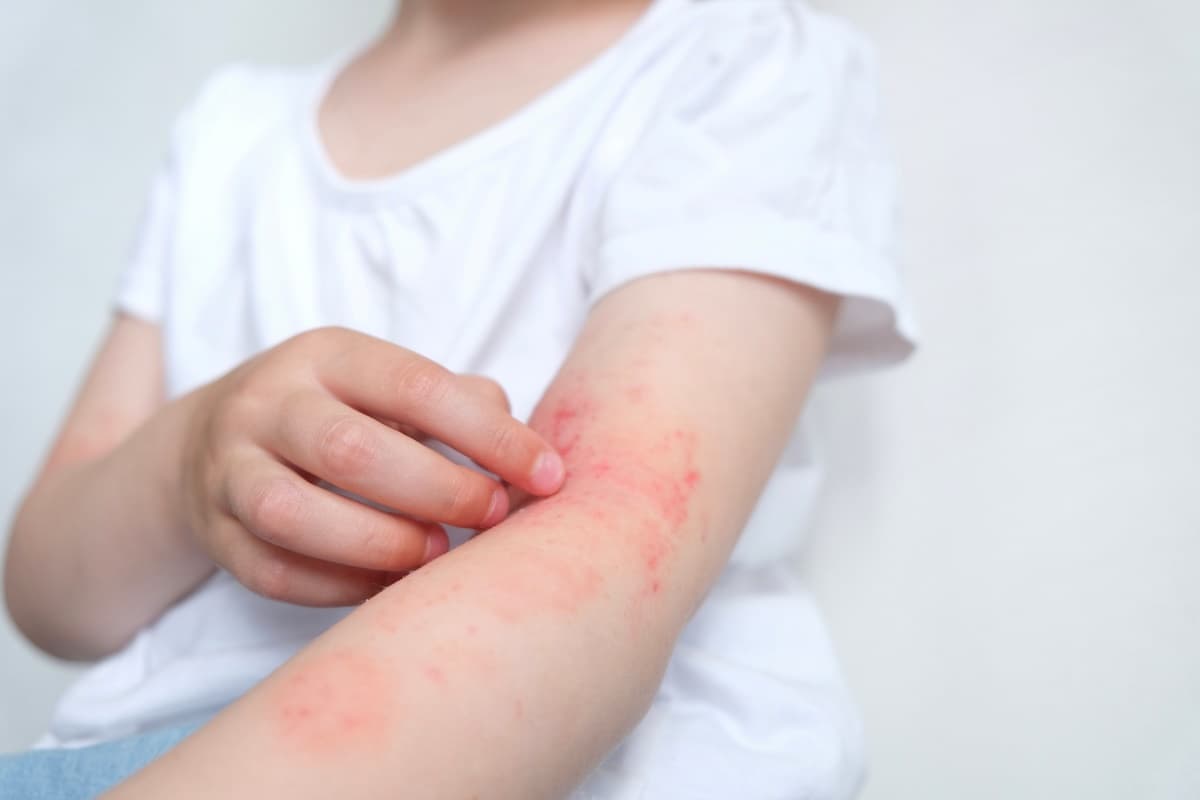
- Eczema flare-ups
- Facial swelling
- Itching around the mouth
Respiratory symptoms can involve:
- Wheezing or shortness of breath
- Nasal congestion
- Throat tightness
- Persistent coughing
Delayed Reactions (2-72 Hours)
Some adults experience delayed egg allergy symptoms, which can make identification more challenging. These reactions may involve digestive discomfort, fatigue, headaches, or mood changes that develop hours or days after egg consumption.
Practical Insight: Keeping a detailed food diary can help identify patterns between egg consumption and delayed symptoms.
Why Do Egg Allergies Develop in Adulthood?
| Factor | How It Affects Allergy Development |
|---|---|
| Immune System Changes | Age-related alterations in immune function may trigger new sensitivities |
| Hormonal Fluctuations | Pregnancy, menopause, or thyroid changes can influence allergy development |
| Gut Health | Compromised intestinal barrier may increase allergen exposure |
| Stress Levels | Chronic stress can dysregulate immune responses |
| Environmental Factors | Pollution, chemicals, or lifestyle changes may contribute |
| Cross-Reactivity | Existing allergies to bird proteins or feathers may extend to eggs |
Hidden Sources of Egg Proteins
Adults with egg allergies must be vigilant about hidden egg ingredients in processed foods and non-food products.
Common hidden sources include:
- Baked goods and pastries
- Pasta and noodles
- Mayonnaise and salad dressings
- Ice cream and custards
- Processed meats and sausages
- Some wines and beers
- Certain vaccines
- Cosmetic products
Practical Insight: Always check ingredient labels for terms like lecithin, albumin, globulin, or any ingredient containing "ovo."
Egg Allergy Testing Options
IgE Blood Testing
Specific IgE blood tests can measure your immune system's response to individual egg proteins. These tests help identify which components trigger your reactions and assess the severity of your sensitivity.
Food allergy profile testing can provide valuable insights into your specific triggers and help guide dietary decisions.
Component-Resolved Diagnostics
Advanced testing can differentiate between reactions to different egg proteins, helping predict whether you might tolerate baked goods containing eggs or need to avoid all egg products entirely.
Practical Insight: Component testing can reveal whether your allergy is likely to be lifelong or may improve with strict avoidance.
Managing Cross-Reactivity
Adults with egg allergies may experience cross-reactive responses to related proteins. Bird-egg syndrome, for example, involves reactions to both bird proteins and eggs, while some individuals react to chicken meat alongside eggs.
Understanding these patterns through comprehensive combined food and inhalant profiling can help you navigate dietary choices more confidently.
Who Should Consider Egg Allergy Testing?
Testing may be beneficial if you experience:
- Consistent digestive issues after eating eggs
- Skin reactions following egg consumption
- Respiratory symptoms that correlate with egg intake
- Unexplained allergic reactions
- Family history of food allergies
- Existing allergies to other foods
London residents have access to various testing options, from NHS services to private clinics offering comprehensive allergy assessments.
What Your Test Results Mean
Egg allergy test results typically measure specific IgE levels to different egg proteins:
- Class 0 (Negative): No detectable IgE antibodies
- Class 1-2 (Low): May indicate tolerance or mild sensitivity
- Class 3-4 (Moderate): Suggests likely allergic reactions
- Class 5-6 (High): Indicates strong sensitisation and probable severe reactions
Important: Test results must be interpreted alongside your clinical history and symptoms. Positive tests don't always mean you'll experience severe reactions, while some people with negative tests may still have sensitivities.
Practical Insight: Results help healthcare professionals provide personalised guidance about dietary management and emergency preparedness.
Living with Adult Egg Allergies in the UK
Managing an adult egg allergy requires practical strategies for home cooking, dining out, and social situations. UK food labelling laws require clear allergen information, making ingredient identification easier.
Many London restaurants now cater specifically to allergy sufferers, with trained staff and detailed ingredient information. However, cross-contamination remains a concern in commercial kitchens.
Practical Insight: Consider carrying an allergy translation card when dining out, clearly stating your specific egg allergy requirements.
When to Seek Medical Advice
Adults experiencing potential allergic reactions should seek appropriate healthcare guidance, particularly if symptoms are severe, recurring, or affecting quality of life. Emergency medical care is essential if you experience difficulty breathing, widespread hives, or signs of anaphylaxis.
For ongoing management, healthcare professionals can provide personalised advice about avoidance strategies, emergency planning, and whether you might benefit from carrying emergency medication.
When to Seek Emergency Help
⚠️ Call 999 immediately and go to A&E if you or someone you are with experiences any of the following: difficulty breathing, swelling of the lips/tongue/throat, persistent coughing or wheezing, dizziness, collapse, or widespread urticaria. If an adrenaline auto-injector (e.g. EpiPen, Jext, Emerade) has been prescribed, use it as instructed before calling 999. For urgent non-emergency advice, call NHS 111.
Further observation in hospital may still be needed even if symptoms improve after auto-injector use, because biphasic reactions can occur hours later.
Frequently Asked Questions
Can you suddenly develop an egg allergy as an adult?
Yes, adult-onset egg allergies can develop at any age, even if you've previously consumed eggs without problems. Immune system changes, hormonal fluctuations, and environmental factors may contribute to new sensitivities.
What's the difference between egg allergy and egg intolerance?
Egg allergies involve immune system responses with symptoms like hives, breathing difficulties, or digestive upset. Egg intolerance typically causes digestive symptoms without immune involvement and is generally less severe, as outlined in food allergy vs intolerance vs sensitivity.
Can I eat baked goods if I have an egg allergy?
Some adults with egg allergies can tolerate eggs in baked products because heat changes the protein structure. However, this varies by individual and requires careful assessment with healthcare guidance.
How accurate are egg allergy blood tests?
Blood tests measuring specific IgE antibodies are generally reliable for detecting sensitisation to egg proteins. However, results must be interpreted alongside your symptoms and medical history for accurate assessment.
Will my adult egg allergy go away?
Adult-onset egg allergies typically persist and may worsen over time, unlike childhood egg allergies which often resolve. Strict avoidance and regular monitoring are usually recommended.
What should I do if I accidentally eat eggs?
If you experience mild symptoms, monitor yourself carefully and consider taking an antihistamine if advised by a healthcare professional. Seek immediate medical attention for severe reactions, breathing difficulties, or signs of anaphylaxis.
Can egg allergies cause long-term health problems?
While egg allergies themselves don't typically cause long-term damage, repeated exposure or severe reactions can be serious. Proper management and avoidance are essential for maintaining good health and preventing complications.
How do I know if my symptoms are from egg allergy or something else?
Keeping a detailed food and symptom diary can help identify patterns. Professional allergy testing provides objective evidence of sensitisation and helps confirm whether eggs are triggering your symptoms.
References
- NHS (2024). Food allergy. https://www.nhs.uk/conditions/food-allergy/
- NHS (2024). Anaphylaxis. https://www.nhs.uk/conditions/anaphylaxis/
- Anaphylaxis UK (2025). Egg allergy. https://www.anaphylaxis.org.uk/
- BSACI (2023). Standards of care for food allergy services. https://www.bsaci.org/
- EAACI (2022). Food Allergy Guidelines. https://www.eaaci.org/