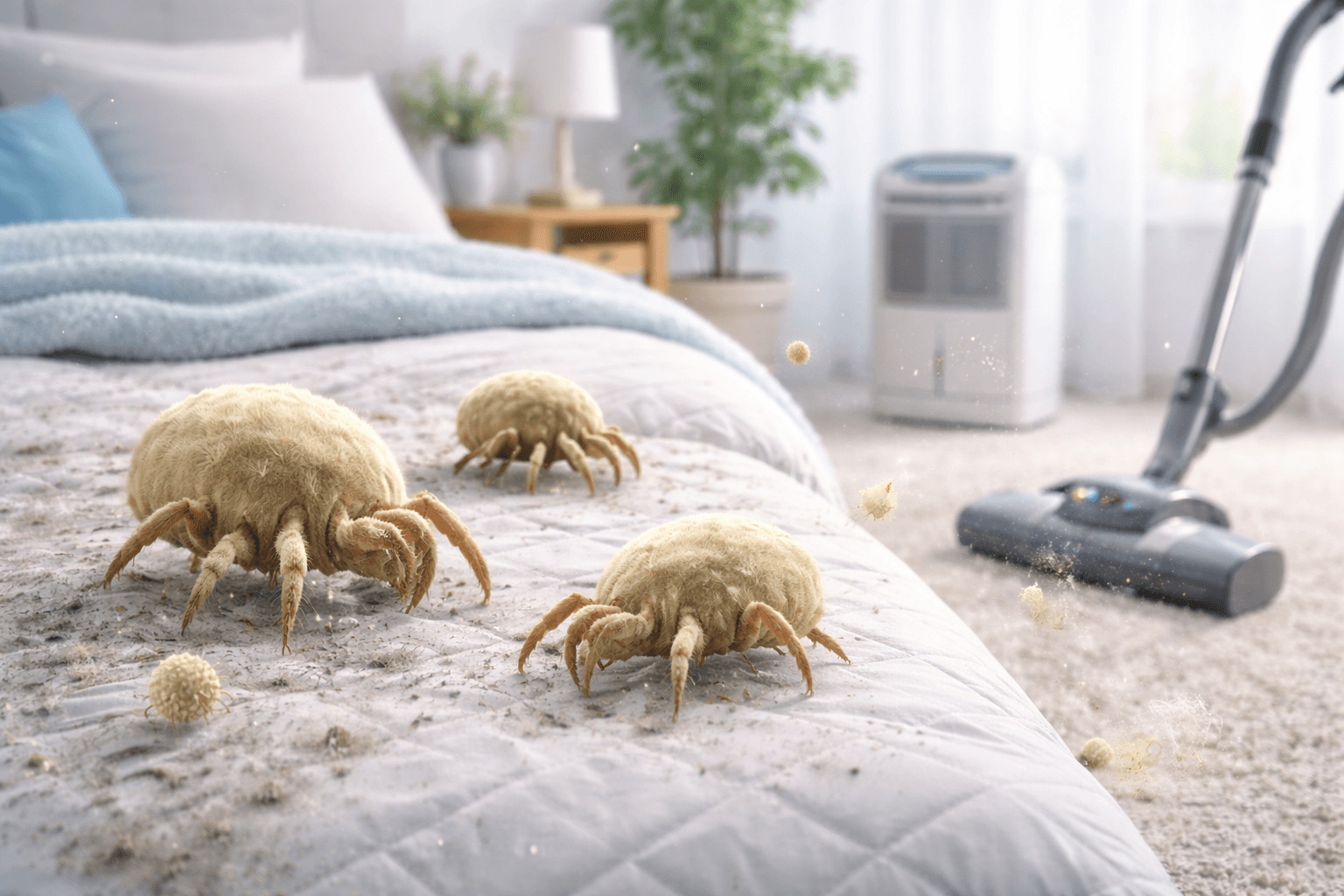
Can House Dust Mites Cause Chronic Fatigue and Brain Fog?
House dust mites can trigger allergic reactions that may contribute to chronic fatigue and brain fog through ongoing inflammation, poor sleep quality, and immune system stress. These microscopic creatures live in bedding, carpets, and soft furnishings, producing allergens that can affect cognitive function and energy levels in sensitive individuals.
Understanding the House Dust Mite Connection
House dust mites are among the most common indoor allergens in the UK, thriving in warm, humid environments typical of British homes. These tiny arachnids feed on dead skin cells and produce waste particles that become airborne, triggering immune responses in susceptible individuals.
When someone with a dust mite sensitivity is repeatedly exposed to these allergens, their immune system remains in a heightened state of alert. This chronic inflammatory response can manifest beyond typical allergic symptoms like sneezing or runny nose, potentially affecting energy levels and cognitive clarity.
The connection between dust mite allergies and fatigue lies in the body's continuous effort to combat perceived threats, leaving fewer resources available for optimal brain function and energy production.
Practical Insight: Understanding your body's response to environmental allergens can help identify potential causes of unexplained fatigue and cognitive symptoms.
How Dust Mite Allergies Affect Energy and Cognition
The Inflammatory Cascade
When dust mite allergens enter the respiratory system, they can trigger an inflammatory response that extends beyond the immediate area of contact. This systemic inflammation may contribute to:
- Disrupted sleep patterns due to nasal congestion or breathing difficulties
- Reduced oxygen uptake affecting brain function
- Increased production of inflammatory markers that influence mood and cognition
- Chronic activation of the immune system leading to fatigue
Sleep Quality Impact
Brain fog from dust mites often stems from compromised sleep quality. Even mild respiratory symptoms can fragment sleep cycles, preventing the restorative deep sleep necessary for cognitive function and energy restoration.
| Sleep Factor | How Dust Mites Interfere | Potential Impact |
|---|---|---|
| Sleep onset | Nasal congestion, itchy eyes | Difficulty falling asleep |
| Sleep maintenance | Breathing disruption, coughing | Frequent night wakings |
| Sleep quality | Inflammation, discomfort | Non-restorative sleep |
| REM sleep | Stress response activation | Impaired memory consolidation |
Practical Insight: Poor sleep quality from allergic reactions can create a cycle where fatigue and cognitive symptoms worsen over time.
Recognising Dust Mite-Related Symptoms
Beyond Traditional Allergy Signs
While classic allergic symptoms like sneezing and watery eyes are well-recognised, chronic fatigue from house dust mites may present more subtly:
Physical Symptoms:
- Persistent low energy levels
- Morning fatigue despite adequate sleep time
- Feeling unrefreshed upon waking
- General sense of being unwell
Cognitive Symptoms:
- Difficulty concentrating
- Memory problems
- Mental cloudiness or "fogginess"
- Reduced mental clarity
Mood-Related Changes:
- Irritability
- Low mood
- Feeling overwhelmed by daily tasks
- Reduced motivation
Timing and Pattern Recognition
Symptoms related to dust mite exposure often follow specific patterns:
- Worse in bedrooms or carpeted areas
- Increased symptoms during humid weather
- Morning symptoms that improve throughout the day
- Seasonal variations, often worse in autumn and winter when homes are sealed
Practical Insight: Keeping a symptom diary noting when and where fatigue or brain fog occurs can help identify environmental triggers.
Testing for Dust Mite Sensitivity
Understanding whether dust mites contribute to your symptoms requires proper allergy testing. Component-resolved house dust mite components (Der p 1, Der p 2, Der p 23) clarify sensitisation pattern and severity in a single blood draw. Several approaches can help identify dust mite sensitivity:
Blood-Based Allergy Testing
Specific IgE testing measures antibodies your immune system produces in response to dust mite proteins. This testing can be particularly useful for:
- Individuals who cannot stop antihistamines for skin testing
- Those with severe eczema or skin conditions
- People wanting comprehensive allergen screening
What Testing Reveals
Allergy testing for dust mites typically examines reactions to:
- Dermatophagoides pteronyssinus (European house dust mite)
- Dermatophagoides farinae (American house dust mite)
- Dust mite group allergens (Der p 1, Der f 1)
Results are typically reported as specific IgE levels, with higher levels suggesting stronger sensitivity. However, the presence of antibodies doesn't automatically confirm that dust mites are causing your symptoms – clinical correlation remains important.
Practical Insight: Testing provides objective data to support or rule out dust mite sensitivity as a contributor to your symptoms.
Who Should Consider Dust Mite Testing
High-Risk Groups
Certain individuals may be more likely to experience dust mite-induced fatigue and brain fog:
Personal History Factors:
- Existing allergic conditions (asthma, eczema, hay fever), especially where indoor allergy triggers are already established
- Family history of allergies
- Childhood asthma or eczema
- Multiple environmental sensitivities
Environmental Factors:
- Living in humid climates or poorly ventilated homes
- Extensive carpeting or soft furnishings
- Older properties with dust accumulation
- Limited exposure to natural environments in childhood
Symptom Patterns:
- Unexplained chronic fatigue
- Persistent brain fog without clear cause
- Symptoms worse in specific environments
- Poor sleep quality in your own bedroom
London-Specific Considerations
London's climate and housing characteristics can influence dust mite exposure:
- High humidity levels, especially in older properties
- Dense urban living with limited ventilation
- Older housing stock with extensive soft furnishings
- Indoor lifestyles reducing exposure to environmental diversity
Practical Insight: Urban environments like London often create ideal conditions for dust mite proliferation, making testing particularly relevant for city residents.
Understanding Your Test Results
Interpreting IgE Levels
Dust mite allergy test results are typically reported in standardised units:
| IgE Level | Interpretation | Clinical Significance |
|---|---|---|
| <0.35 kU/L | Not detected | Unlikely to cause allergic reactions |
| 0.35-0.7 kU/L | Low positive | Possible mild sensitivity |
| 0.7-3.5 kU/L | Moderate positive | Likely contributing to symptoms |
| >3.5 kU/L | High positive | Strong sensitivity, significant symptom risk |
Clinical Context Matters
Test results should always be interpreted alongside your symptom pattern and exposure history. Some individuals with high IgE levels may have minimal symptoms, while others with moderate levels experience significant effects.
Factors Affecting Symptom Severity:
- Total allergen burden (multiple sensitivities)
- Individual immune system reactivity
- Environmental exposure levels
- Overall health status
- Stress levels and sleep quality
Practical Insight: Test results provide valuable information, but your symptom experience remains the most important factor in understanding how dust mites affect your wellbeing.
Environmental Management Strategies
Reducing Dust Mite Exposure
While we don't provide treatment services, understanding environmental management can help reduce exposure to dust mite allergens. This practical guide to reducing dust mite allergens in bedding can support day-to-day implementation.
Bedroom Modifications:
- Allergen-proof mattress and pillow covers
- Weekly hot water washing of bedding (60°C minimum)
- Reduced soft furnishings and carpeting
- HEPA air filtration systems
Humidity Control:
- Maintaining indoor humidity below 50%
- Improved ventilation
- Dehumidifier use in damp conditions
- Regular airing of bedrooms
Cleaning Strategies:
- HEPA-filter vacuum cleaners
- Damp dusting to avoid dispersing allergens
- Regular carpet deep cleaning
- Minimal soft toy collections
You can also follow this room-by-room checklist on how to get rid of dust mites in your home for broader household control.
When to Seek Medical Advice
If you experience persistent fatigue and cognitive symptoms that may be related to dust mite exposure, appropriate medical advice should be sought, particularly if:
- Symptoms significantly impact daily functioning
- Sleep quality remains poor despite environmental modifications
- You experience breathing difficulties or severe allergic reactions
- Fatigue is accompanied by other concerning symptoms
Practical Insight: Environmental management works best when combined with proper identification of allergen sensitivities through testing.
NHS vs Private Allergy Testing Options
Understanding Your Choices
In the UK, allergy testing is available through both NHS and private healthcare services:
NHS Pathway:
- GP referral to allergy clinic
- Focus on severe or treatment-resistant cases
- Limited availability in some areas
- Potential waiting times for non-urgent cases
Private Testing Options:
- Direct access without GP referral
- Comprehensive allergen panels available
- Potentially faster results and reporting
- Educational support and detailed explanations
Both pathways can provide valuable information, with the choice often depending on symptom severity, urgency, and personal preference for healthcare access.
Practical Insight: Private testing may provide quicker clarification for those seeking to understand potential environmental triggers for their symptoms.
Frequency of Dust Mite Testing
When to Test
Initial Testing Scenarios:
- Unexplained chronic fatigue or brain fog
- Poor sleep quality in specific environments
- Suspected environmental allergies
- Before implementing extensive home modifications
Follow-Up Considerations:
- Retesting is rarely necessary unless symptoms change significantly
- Children may require retesting as their immune systems develop
- New exposures or relocated homes might warrant reassessment
Monitoring Your Response
Rather than frequent retesting, monitoring your symptom response to environmental changes provides practical feedback about dust mite sensitivity:
- Symptom tracking during home modifications
- Travel-related symptom changes
- Seasonal pattern recognition
- Response to allergen reduction measures
Practical Insight: Initial comprehensive testing usually provides sufficient information for long-term environmental management planning.
The Broader Health Picture
Multiple Allergen Considerations
Dust mite sensitivity and brain fog rarely occur in isolation. Many individuals have multiple environmental sensitivities that can compound symptoms:
Common Co-Existing Allergies:
- Pollen allergies (hay fever)
- Pet dander sensitivities
- Mould allergies
- Food sensitivities
Understanding your complete allergen profile helps create a comprehensive approach to symptom management and environmental modifications.
Lifestyle Factor Integration
Effective management of dust mite-related symptoms often involves addressing multiple lifestyle factors:
- Sleep hygiene improvement
- Stress management techniques
- Indoor air quality optimisation
- Regular exercise and outdoor exposure
Practical Insight: Addressing dust mite sensitivity as part of a broader approach to environmental health often yields the best long-term results.
Making Informed Decisions About Testing
Cost-Benefit Considerations
When considering dust mite allergy testing, weigh several factors:
Potential Benefits:
- Clear identification of sensitivity status
- Informed decision-making about environmental modifications
- Understanding of symptom triggers
- Baseline for future reference
Investment Considerations:
- Testing costs versus ongoing symptom impact
- Cost of environmental modifications
- Long-term health and quality of life benefits
- Greater clarity from objective test information
Preparing for Testing
To get the most from allergy testing:
- Keep a symptom diary for 2-4 weeks beforehand
- Note environmental factors that seem to affect symptoms
- List current medications (some may affect results)
- Prepare questions about result interpretation and next steps
Practical Insight: Proper preparation helps ensure testing provides maximum value for understanding your individual sensitivities.
Frequently Asked Questions
Can house dust mites really cause chronic fatigue?
Yes, dust mites can contribute to chronic fatigue through ongoing allergic inflammation, poor sleep quality, and continuous immune system activation in sensitive individuals.
How quickly would I notice improvement if dust mites are causing my brain fog?
Environmental modifications typically show benefits within 2-8 weeks, though some individuals notice improvements in sleep quality within days of reducing exposure.
Are dust mite allergies more common in certain UK regions?
Dust mites thrive in humid conditions, making them prevalent throughout the UK, particularly in areas with older housing and limited ventilation like many London properties.
Can children develop dust mite-related fatigue and brain fog?
Yes, children can experience similar symptoms, often manifesting as difficulty concentrating at school, mood changes, or unexplained tiredness.
Do dust mite allergies worsen with age?
Sensitivity patterns can change over time. Some individuals develop increased sensitivity, while others may see improvements, depending on exposure patterns and immune system changes.
Can stress make dust mite allergy symptoms worse?
Stress can amplify allergic responses and worsen symptoms like fatigue and brain fog by affecting immune function and sleep quality.
Is it worth testing for dust mites if I already have other known allergies?
Yes, understanding your complete allergen profile helps create more effective environmental management strategies and explains symptom patterns.
How accurate is blood testing for dust mite allergies?
Blood-based IgE testing for dust mites can be reliable and clinically useful, but accuracy varies by test method and individual context. Results should be interpreted together with symptoms and medical assessment.
Can house dust mite sensitivity develop suddenly in adults?
While less common than childhood development, adults can develop new allergic sensitivities, particularly after significant exposure changes or immune system stress.
Should I test for dust mites before making expensive home modifications?
Testing can provide valuable guidance for targeting modifications effectively, potentially saving costs on unnecessary changes while focusing on relevant allergen reduction.
Taking a Proactive Approach to Your Wellbeing
Understanding whether house dust mites contribute to your chronic fatigue and brain fog empowers you to make informed decisions about your environment and health. Through proper testing and environmental awareness, many individuals find significant improvement in their energy levels and cognitive clarity.
If you're experiencing unexplained fatigue or cognitive symptoms that might be related to environmental factors, consider exploring dust mite testing pathways to gain clarity about potential triggers. Our nurse-led clinic provides detailed testing and educational support to help you understand your individual sensitivities. Treatment suitability and recommendations depend on individual clinical assessment.
Taking control of your environmental health can be an important step toward better energy, clearer thinking, and improved overall wellbeing.