How to Get Rid of Dust Mites in Soft Toys and Teddy Bears
Dust mites in soft toys and teddy bears can be effectively eliminated through regular washing at 60°C, freezing for 24 hours, or using anti-allergen sprays. These microscopic creatures thrive in warm, humid environments and may contribute to allergic reactions in sensitive individuals.
For families dealing with potential dust mite allergies, understanding how to properly clean and maintain beloved soft toys is essential for creating a healthier home environment. This comprehensive guide explores proven methods to reduce dust mite populations in children's toys whilst maintaining their safety and longevity.
Understanding Dust Mites in Soft Toys
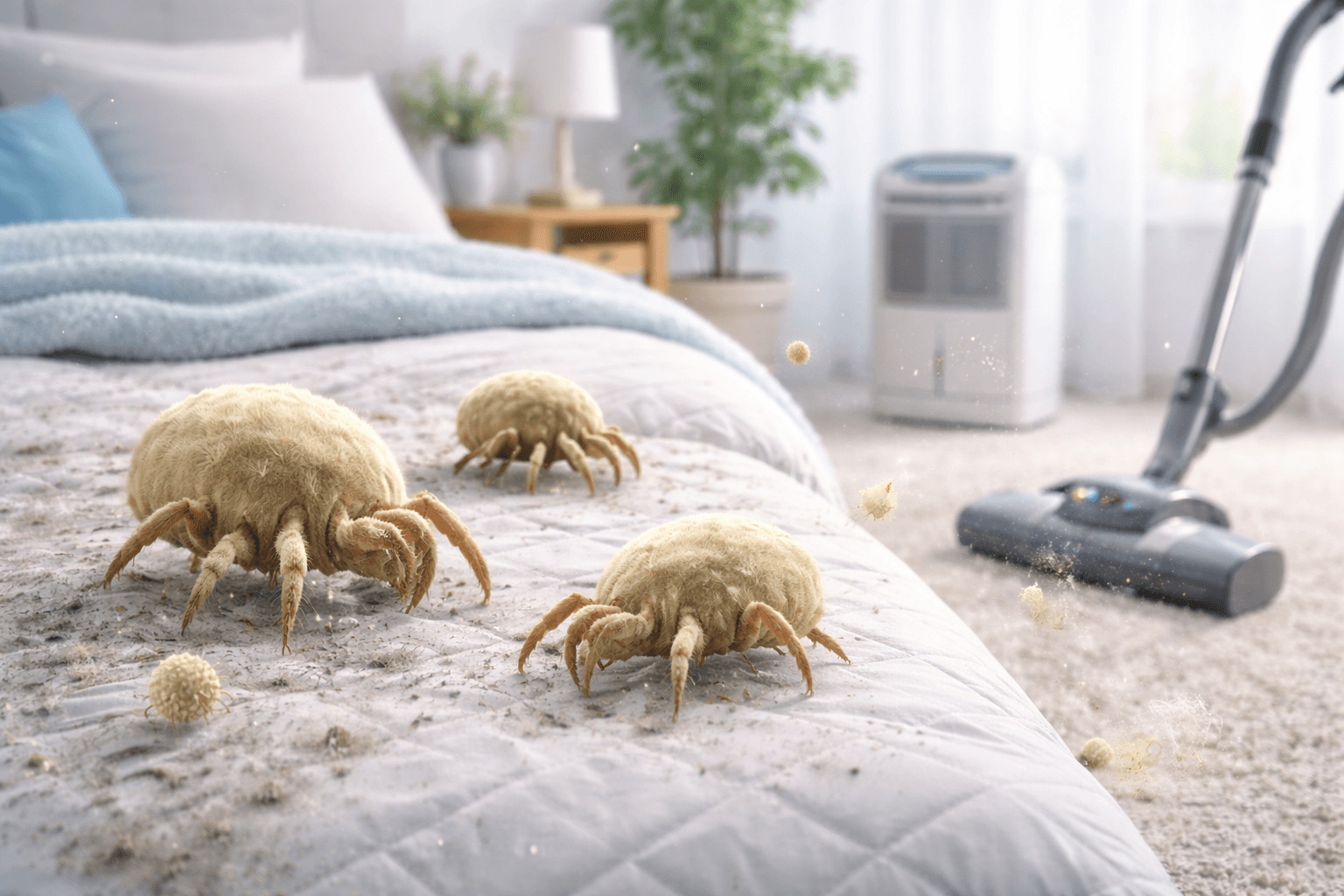
Dust mites are microscopic organisms that feed on dead skin cells and thrive in warm, humid conditions. Soft toys and teddy bears provide an ideal breeding ground due to their fabric construction, regular handling, and the skin cells they accumulate over time.
These tiny creatures can sometimes trigger allergic responses in sensitive individuals, particularly children who spend significant time cuddling their favourite toys. Symptoms may include sneezing, runny nose, itchy eyes, or skin irritation, though these can also result from other environmental factors.
Practical Insight: Regular maintenance of soft toys can significantly reduce dust mite populations without compromising the emotional bond children have with their cherished companions.
Effective Heat Treatment Methods
Hot Water Washing
The most reliable method for eliminating dust mites involves washing soft toys at temperatures of 60°C or higher. This temperature effectively kills mites and their eggs whilst being suitable for most machine-washable toys.
Washing Guidelines:
- Check care labels before washing
- Use a gentle cycle with mild detergent
- Ensure toys are completely dry before storage
- Consider mesh laundry bags for delicate items
Tumble Drying Benefits
Following hot water washing, tumble drying on a hot setting for 20-30 minutes provides additional mite elimination. The combination of heat and movement helps dislodge any remaining mites or allergens from fabric fibres.
Practical Insight: For toys that cannot withstand high temperatures, alternative methods can achieve similar results without risking damage to precious items.
Freezing Method for Delicate Toys
For toys that cannot be machine washed or may be damaged by high temperatures, freezing offers an effective alternative. This method works by creating an environment that dust mites cannot survive.
Freezer Treatment Process
- Place toys in sealed plastic bags
- Remove as much air as possible
- Freeze for minimum 24 hours (48 hours preferred)
- Allow toys to return to room temperature
- Vacuum or shake gently to remove dead mites
This method is particularly useful for vintage toys, electronic toys, or those with delicate decorations that might be damaged by washing.
Anti-Allergen Spray Solutions
Commercial anti-allergen sprays can help neutralise dust mite allergens in soft toys between deep cleaning sessions. These products work by breaking down the proteins that can trigger allergic responses.
Application Guidelines
- Choose sprays specifically designed for fabrics
- Test on a small, hidden area first
- Allow toys to dry completely before handling
- Follow manufacturer's instructions carefully
- Consider natural alternatives like diluted eucalyptus oil
Practical Insight: Regular application of anti-allergen sprays can extend the time between deep cleaning whilst maintaining allergen control.
Professional Allergy Testing and Monitoring
Understanding whether dust mites are contributing to allergic symptoms requires proper assessment. Allergy testing can help identify specific sensitivities and guide appropriate environmental management strategies.
When to Consider Testing
Testing may be helpful when individuals experience:
- Persistent respiratory symptoms
- Skin irritation after contact with soft toys
- Symptoms that worsen in bedroom environments
- Family history of allergic conditions
Blood tests can measure specific IgE antibodies to dust mite allergens, providing valuable information for managing home environments effectively.
Frequency and Maintenance Schedule
| Toy Type | Hot Wash | Freezing | Spray Treatment |
|---|---|---|---|
| Daily-use toys | Weekly | Every 2 weeks | Weekly |
| Occasional toys | Monthly | Monthly | Fortnightly |
| Decorative toys | Quarterly | Quarterly | Monthly |
| Vintage/delicate | As needed | Monthly | Fortnightly |
Regular maintenance schedules help prevent dust mite populations from establishing whilst keeping beloved toys safe and clean.
Storage Solutions for Dust Mite Control
Proper storage significantly impacts dust mite populations in soft toys. Creating an environment that discourages mite growth helps maintain the effectiveness of cleaning efforts.
Optimal Storage Conditions
- Use airtight containers or vacuum storage bags
- Maintain low humidity levels (below 50%) using a dehumidifier
- Choose cool, dry locations away from bedrooms
- Rotate toys regularly to prevent long-term accumulation
- Consider cedar blocks as natural deterrents
Practical Insight: Strategic storage not only controls dust mites but also helps preserve the condition and longevity of treasured soft toys.
Creating an Allergy-Aware Household
Beyond toy cleaning, comprehensive dust mite management involves addressing the broader home environment. This holistic approach can be particularly beneficial for households with dust mite allergies.
Environmental Modifications
- Maintain household humidity below 50%
- Use allergen-proof mattress and pillow covers
- Regular vacuuming with HEPA filters
- Wash bedding weekly in hot water
- Consider air purifiers for bedrooms
Natural and Chemical-Free Alternatives
For families preferring natural approaches, several chemical-free methods can help control dust mites in soft toys whilst maintaining a toxin-free environment.
Natural Solutions
- Essential oil sprays (eucalyptus, tea tree)
- Diatomaceous earth treatment
- UV light exposure
- Regular sunlight exposure
- Steam cleaning for suitable toys
These methods may require more frequent application but offer peace of mind for families concerned about chemical exposure.
Understanding Allergy Testing Results
When allergy blood test results indicate dust mite sensitivity, the results can help guide appropriate management strategies. Understanding these findings enables families to make informed decisions about environmental modifications.
Test results typically measure specific IgE antibody levels, which may suggest the degree of sensitisation. However, the correlation between test results and symptoms can vary significantly between individuals.
Practical Insight: Test results should always be interpreted alongside symptom patterns and environmental factors to develop effective management strategies.
London-Specific Considerations
London's urban environment and housing characteristics can influence dust mite populations. The city's relatively humid climate and older housing stock may create conditions that favour mite growth.
Urban Challenges
- Higher humidity levels near the Thames
- Older buildings with limited ventilation
- Shared accommodation challenges
- Access to professional cleaning services
- NHS vs private allergy testing options
Understanding these local factors helps London families develop targeted approaches to dust mite management in their specific circumstances.
Cost-Effective Management Strategies
Managing dust mites in soft toys doesn't require expensive solutions. Many effective methods use common household items or simple modifications to existing routines.
Budget-Friendly Approaches
- Regular hot washing (using existing appliances)
- Freezer treatment (no additional equipment needed)
- Homemade essential oil sprays
- Improved ventilation (opening windows)
- Strategic toy rotation
These approaches make dust mite management accessible to all families regardless of budget constraints.
Professional Assessment and Monitoring
For families experiencing persistent symptoms despite environmental modifications, professional assessment can provide valuable insights. Recognising the common signs of dust mite allergy can help identify multiple sensitivities and guide more targeted approaches.
Regular monitoring through follow-up testing may help track the effectiveness of environmental changes over time, though symptom improvement often provides the most meaningful indicator of success.
Frequently Asked Questions
How often should I wash soft toys to prevent dust mites?
Daily-use toys should be washed weekly in hot water (60°C or higher), whilst occasional toys can be cleaned monthly. Between washes, regular airing and anti-allergen sprays can help maintain cleanliness.
Can freezing toys damage them?
Freezing is generally safe for most soft toys when done properly. Always seal toys in plastic bags and allow gradual thawing to prevent condensation damage. Avoid freezing toys with electronic components or delicate decorations.
Are anti-allergen sprays safe for children?
Most commercial anti-allergen sprays designed for fabrics are safe when used as directed. Always test on a small area first and ensure toys are completely dry before children handle them.
How can I tell if dust mites are causing allergic reactions?
Symptoms may include sneezing, runny nose, itchy eyes, or skin irritation, particularly after contact with soft toys. Professional allergy testing can help identify specific sensitivities to dust mite allergens.
What temperature kills dust mites effectively?
Temperatures of 60°C (140°F) or higher effectively kill dust mites and their eggs. Most washing machines and tumble dryers can achieve these temperatures on hot settings.
Can I use essential oils to repel dust mites?
Eucalyptus, tea tree, and lavender oils may help deter dust mites when diluted properly and sprayed on toys. However, ensure children aren't sensitive to these oils before regular use.
How long do dust mites survive in freezing temperatures?
Dust mites cannot survive temperatures below -10°C for extended periods. Standard household freezers effectively kill mites within 24-48 hours of exposure.
Should I throw away old soft toys to prevent allergies?
This isn't usually necessary. Most toys can be effectively cleaned using hot washing, freezing, or professional cleaning methods. Regular maintenance is typically more effective than disposal.
Do dust mite covers work for storing soft toys?
Allergen-proof storage bags and containers can help prevent dust mite recontamination after cleaning. These are particularly useful for toys used infrequently or stored long-term.
When should I seek medical advice about dust mite allergies?
Consider professional assessment if symptoms persist despite environmental modifications, worsen over time, or significantly impact daily activities. Allergy testing can help identify specific triggers and guide management strategies.
Maintaining Long-term Success
Effective dust mite management in soft toys requires consistent application of cleaning methods and environmental controls. Success often depends on finding the right balance between thorough cleaning and preserving the sentimental value of beloved toys.
Regular monitoring of symptoms alongside environmental changes helps families identify the most effective approaches for their specific circumstances. Remember that managing dust mites is an ongoing process rather than a one-time solution.
Practical Insight: The most successful dust mite management strategies are those that families can maintain consistently over time, making them a natural part of household routines.
For families concerned about dust mite allergies, professional assessment through comprehensive testing can provide valuable guidance for developing effective management strategies tailored to individual sensitivities.